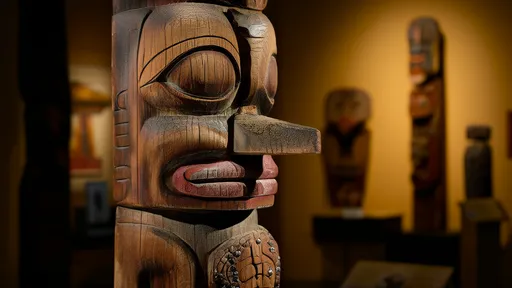
Stone carving, an ancient craft that has shaped human expression for millennia, remains one of the most demanding yet rewarding artistic disciplines. The transformation of a raw stone block into a polished masterpiece requires not only technical skill but also an intimate understanding of the material's soul. This process, often shrouded in mystery to outsiders, follows a meticulous progression from roughing out to fine detailing – each stage building upon the last with irreversible consequences.
Every master carver knows the first encounter with the stone determines the entire creative trajectory. The initial assessment goes beyond measuring physical dimensions; it involves studying the stone's grain, natural fissures, and color variations. Seasoned artisans often spend hours or even days observing the raw material before making the first strike. This contemplative phase separates true craftsmanship from mere technical execution. The stone whispers its possibilities to those patient enough to listen.
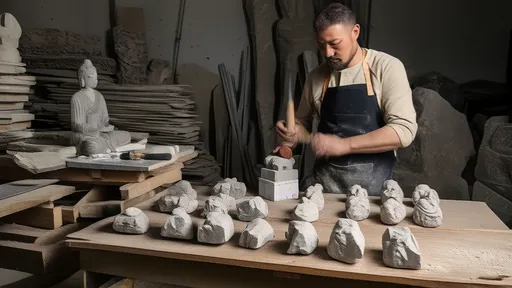
The reduction process begins with what traditional carvers call "knocking off the corners" – the brutal yet calculated removal of excess material. Heavy tools like points and claws come into play during this phase, their steel teeth biting into the unyielding surface. The sculptor must maintain constant awareness of the emerging form within the stone while preserving enough material for subsequent refinement. This stage produces clouds of dust and flying chips, a chaotic ballet that gradually reveals order from formlessness.
As the general shape emerges from the stone womb, the carver transitions to more precise tools. The once-jagged surface begins showing smoother planes as chisels replace the heavier implements. Here, the artist's touch becomes more intimate, the hammer strikes more measured. The stone's character becomes increasingly apparent – some varieties reveal surprising softness beneath their hard exterior, while others fight every tool stroke with crystalline stubbornness.
The true magic happens during the detailing phase, where the sculptor's vision finally materializes in three dimensions. Fine chisels and rifflers dance across the surface, coaxing out delicate features and textures. This stage requires surgical precision – a single misplaced strike can undo weeks of careful work. The artist's hands develop a silent communication with the material, reading vibrations and resistance patterns that guide each micro-adjustment.
Surface treatment marks the transition from craft to art. The choice between leaving tool marks visible or creating a perfectly smooth finish depends entirely on the intended aesthetic. Some sculptures demand the raw energy of visible chisel strokes, while others require hours of meticulous sanding to achieve liquid-like surfaces that seem to defy the material's nature. This finishing process often reveals hidden qualities in the stone – unexpected color variations or mineral patterns that become integral to the final composition.
Contemporary stone carving maintains this ancient knowledge while embracing modern innovations. Pneumatic tools and diamond abrasives have joined traditional mallets and chisels in the sculptor's toolkit. Yet despite technological advancements, the fundamental relationship between artist and material remains unchanged. The stone still teaches patience and humility, punishing arrogance while rewarding respect and understanding.
The journey from rough block to finished sculpture represents more than technical transformation – it mirrors the artistic process itself. Each reduction stage parallels the creative refinement of ideas, while the finishing touches resemble the polishing of concepts into coherent expression. Perhaps this explains why stone carving continues to captivate in our digital age: it offers tangible evidence of human will overcoming material resistance, a slow alchemy that turns earth's bones into objects of contemplation and beauty.
Behind every finished stone sculpture lies countless hours of invisible labor – the aching muscles, the failed attempts, the recalculated approaches. What appears as solid permanence to viewers actually contains the memory of its own making, the ghostly presence of removed material, and the artist's persistent vision that guided each decisive strike. This hidden narrative makes stone carving not merely a production method, but a profound dialogue between human creativity and geological time.
The so-called "Fruit Stall Theory" has become something of a legend among Chinese applicants for U.S. visas. Unlike official guidelines or documented procedures, this theory represents the collective wisdom distilled from thousands of visa interviews at U.S. consulates across China. At its core, the metaphor suggests that consular officers view visa applicants much like customers at a fruit stall - they must quickly assess which "fruits" are worth selecting while filtering out those that don't meet their standards.
This unspoken framework gained traction particularly after the post-9/11 visa policy tightening, when approval rates became more unpredictable. Seasoned visa consultants began noticing patterns in how officers made snap judgments during the brief interview window. The theory holds that consular officers, facing hundreds of applications daily, develop mental shortcuts similar to how a fruit vendor might quickly evaluate produce - checking for obvious defects, assessing freshness indicators, and making rapid value determinations.
The Selection Process at the Window
Much like a shopper inspecting apples, visa officers reportedly look for certain surface indicators first. A well-prepared application folder functions like unblemished fruit skin - it suggests the applicant has nothing to hide. Consistent travel history acts as the equivalent of proper ripeness, demonstrating the applicant is neither too green (likely to overstay) nor too ripe (potential security concerns). The interview itself becomes the equivalent of checking for worms - any inconsistencies or red flags that might be lurking beneath the surface.
Veteran applicants swear they can almost see the mental checklist being processed behind the officer's eyes: Are documents complete? Does the stated purpose align with visa category? Is there sufficient financial "weight" to demonstrate serious intent? These become the tactile tests similar to squeezing fruit for firmness. The theory suggests officers have developed an almost instinctual sense for which applications will yield satisfactory "flavor" with minimal risk.
The Bruised Fruit Phenomenon
Certain characteristics reportedly trigger immediate rejection, much like produce with visible damage. Single young adults from certain provinces face particular scrutiny, viewed as high-risk for overstaying. Applicants with minimal travel history are seen as unproven, like unripe fruit of uncertain quality. Even seemingly positive factors can backfire - multiple previous U.S. visits might raise eyebrows about dependency, similar to fruit that's been handled too many times.
Interestingly, the theory accounts for seasonal variations mirroring agricultural cycles. Student visa approvals allegedly bloom in spring like cherries, while tourist visas supposedly ripen in summer like peaches. Winter applications, according to this folk wisdom, face tougher scrutiny as officers become more selective during low seasons, much like shoppers becoming pickier when produce is scarce.
The Cultural Harvest
This metaphor has taken root particularly strongly in Chinese applicant circles because it resonates with cultural familiarity. The imagery of careful selection at market stalls translates well to a population accustomed to intense scrutiny in various bureaucratic processes. It also provides psychological comfort - framing rejection as simply not being what the "buyer" wanted that day, rather than a personal failing.
Visa coaches have refined the analogy further, developing entire preparation strategies around it. They advise applicants to "display their best side first" like a vendor arranging prime produce up front. Documentation becomes "protective packaging" preventing damage during handling. Even interview attire gets compared to the waxy coating that preserves fruit's appeal.
The theory's persistence reveals deeper truths about the visa process despite its unofficial nature. It acknowledges the inherent subjectivity in decisions made under time pressure with limited information. Like any agricultural selection, there's always an element of unpredictability - the same applicant might get different results on different days, just as fruit quality varies between shipments.
Beyond the Metaphor
While the fruit stall analogy provides memorable imagery, visa professionals caution against over-reliance on folk theories. The actual decision-making process incorporates complex legal standards, constantly evolving policy directives, and individual officer discretion. What the theory captures accurately is the reality that first impressions matter tremendously in these brief encounters.
Applicants would do well to remember that beneath the metaphorical framework lie very real concerns about immigration intent, document authenticity, and security considerations. The best preparation combines understanding these unofficial patterns while thoroughly addressing official requirements. Like selecting premium fruit, success often comes down to presenting your best qualities clearly and without defects for evaluation.
The enduring popularity of this theory speaks to the very human need to find patterns in uncertain processes. As long as visa interviews remain brief encounters with significant consequences, applicants will continue developing these metaphorical frameworks to navigate the experience. The fruit stall analogy, for all its simplicity, has proven remarkably durable in helping applicants mentally prepare for one of the most stressful conversations of their international journeys.
By /Aug 11, 2025

By /Aug 11, 2025

By /Aug 11, 2025

By /Aug 11, 2025
By /Aug 11, 2025

By /Aug 11, 2025
By /Aug 11, 2025

By /Aug 11, 2025
