Singapore has long been known as a global hub for travel and commerce, and its strategic location makes it an ideal stopover for travelers crossing continents. One of the key advantages for transit passengers is the 96-hour Visa-Free Transit Facility, which allows eligible travelers to explore the vibrant city-state without needing a visa. This policy is designed to encourage visitors to experience Singapore’s rich culture, cuisine, and attractions even during a short layover.
The 96-hour transit rule applies to nationals of several countries, including India, China, and many others, provided they meet specific conditions. Travelers must hold a valid onward ticket departing Singapore within 96 hours and possess a visa (if required) for their next destination. Airlines and immigration authorities strictly enforce these rules, so passengers should ensure they have all necessary documentation before attempting to enter Singapore under this scheme.
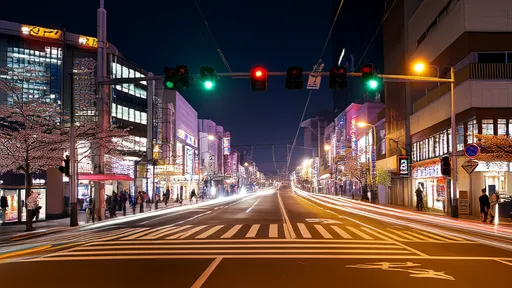
For those eligible, this transit window offers a fantastic opportunity to step out of the airport and immerse themselves in Singapore’s dynamic atmosphere. From the futuristic Gardens by the Bay to the bustling streets of Chinatown, there is no shortage of sights to explore. Food lovers can indulge in hawker center delights like Hainanese chicken rice or chili crab, while shoppers can head to Orchard Road for retail therapy. Even with limited time, the city’s efficient public transport makes it easy to cover significant ground.
However, travelers should be mindful of the strict entry requirements. Immigration officers have the discretion to deny entry if they suspect the transit privilege is being misused—for example, if a passenger repeatedly uses Singapore as a short-term destination without a genuine onward journey. It’s also important to note that the 96-hour period begins at the time of entry, so planning an itinerary wisely is essential to make the most of the stay.
Beyond tourism, the 96-hour transit policy supports Singapore’s economy by boosting spending in retail, dining, and entertainment sectors. Many transit passengers take advantage of the city’s world-class airport, Changi, which offers free city tours for those with layovers of at least five hours. These tours provide a curated glimpse of Singapore’s highlights, perfect for time-strapped visitors.
In summary, Singapore’s 96-hour visa-free transit facility is a well-structured initiative that benefits both travelers and the local economy. By offering a hassle-free way to experience the Lion City, it reinforces Singapore’s reputation as a welcoming and efficient transit destination. Whether you’re stopping over for business or leisure, this policy makes it possible to turn a brief layover into a memorable mini-vacation.
For decades, STA Travel positioned itself as the go-to agency for student travelers, promising exclusive deals and youth-focused fares. Yet behind its cheerful marketing lurked a shadowy pricing strategy that few customers ever uncovered. The company maintained a parallel booking system with hidden student discounts accessible only through unpublicized promo codes – a practice industry insiders now call "the student dark pattern."
Former employees describe an intentional bifurcation in STA's pricing architecture. Public-facing platforms showed standard rates, while a separate inventory of deeply discounted fares remained invisible unless customers knew magical strings like STUDENTUNDER25 or GAPYEAR15. These weren't random coupons but institutionalized price tiers buried in the company's backend systems.
The mechanics worked like a travel industry version of speakeasy passwords. Entering these codes during checkout would unlock fares sometimes 40% below listed prices. No banners advertised these discounts; no customer service reps volunteered them. Students either discovered the codes through obscure travel forums or learned them from returning travelers in what became an underground knowledge-sharing network.
Corporate documents leaked by whistleblowers reveal this wasn't accidental oversight but deliberate policy. A 2016 internal memo labeled "Yield Management" explicitly instructed staff to "maintain price segmentation integrity" by never proactively offering code-access fares. The rationale? STA could maximize revenue from less price-sensitive customers while still capturing budget-conscious students through backchannel marketing.
Consumer advocates erupted when this scheme surfaced, accusing STA of predatory digital dark patterns. The practice exploited students' limited financial literacy and created an unfair two-tiered system where savings depended on insider knowledge rather than transparent pricing. Some national student unions have begun compiling crowdsourced lists of these hidden codes, effectively forcing transparency through collective action.
Legal experts note the murky territory such tactics inhabit. While not outright illegal, hiding systematically available discounts arguably violates principles of fair trading in several jurisdictions. Australia's Competition and Consumer Commission recently launched an informal inquiry into whether such practices constitute misleading omissions under consumer law.
The fallout continues as more travelers share experiences of discovering the hidden discounts too late. "I paid £589 for a Sydney flight," recounts Manchester University graduate Liam Forrester. "Then my flatmate got the same dates for £367 just by adding STUDENTFLASH at checkout. When I asked STA why they never mentioned it, they said discounts 'were subject to availability.'"
STA's parent company, Statravel Group, has responded with carefully worded statements emphasizing that "all discounts are clearly listed on promotional materials," conspicuously avoiding addressing the existence of unadvertised code-only fares. Meanwhile, their website's robots.txt file now aggressively blocks scraping tools that could automate the discovery of these hidden deals.
This controversy exposes broader issues in travel tech infrastructure. Modern booking systems allow airlines and agencies to implement staggeringly complex price discrimination strategies. Students – often digital natives but commercial novices – make particularly vulnerable targets for these hidden segmentation tactics. As one industry analyst bluntly put it: "If you're not hacking your travel bookings in 2024, you're overpaying."
The saga continues evolving as consumer watchdogs pressure STA to dismantle its two-tiered pricing. But the larger lesson resonates beyond any single agency: in an era of algorithmic price optimization, the best deals increasingly exist just beneath the surface – visible only to those who know where to dig.

By /Aug 13, 2025
By /Aug 13, 2025

By /Aug 13, 2025

By /Aug 13, 2025

By /Aug 13, 2025

By /Aug 13, 2025

By /Aug 13, 2025
By /Aug 13, 2025